When it comes to water treatment, there are a few key categories of chemicals that play a vital role. These are mainly used in municipal drinking water facilities, wastewater treatment plants, industrial systems like cooling towers and boilers, and occasionally in pools or well water. Their main jobs include getting rid of suspended solids, eliminating harmful pathogens, fine-tuning the water chemistry for the best treatment and protection of infrastructure, managing scale and corrosion, and tackling specific contaminants.
1. Coagulants
These substances work by neutralizing the negative surface charges found on fine suspended particles like colloids, turbidity, organics, and certain metals. This process helps to destabilize these particles, allowing them to clump together and form larger aggregates. Here are some common examples: -
- Aluminum sulfate (alum, Al₂(SO₄)₃)— a tried-and-true, budget-friendly option for municipal water treatment plants, with an ideal pH range of about 6 to 8.
- Polyaluminum chloride (PAC) or aluminum chlorohydrate — these have a wider effective pH range and typically result in lower sludge volumes.
- Ferric chloride (FeCl₃) or ferric sulfate — these are effective across a broader pH spectrum (usually between 4 and 11) and are great for removing color, phosphorus, and organics, while also producing denser flocs.
Role: Essential first step for clarifying surface water; particles become micro-flocs that can be further aggregated.
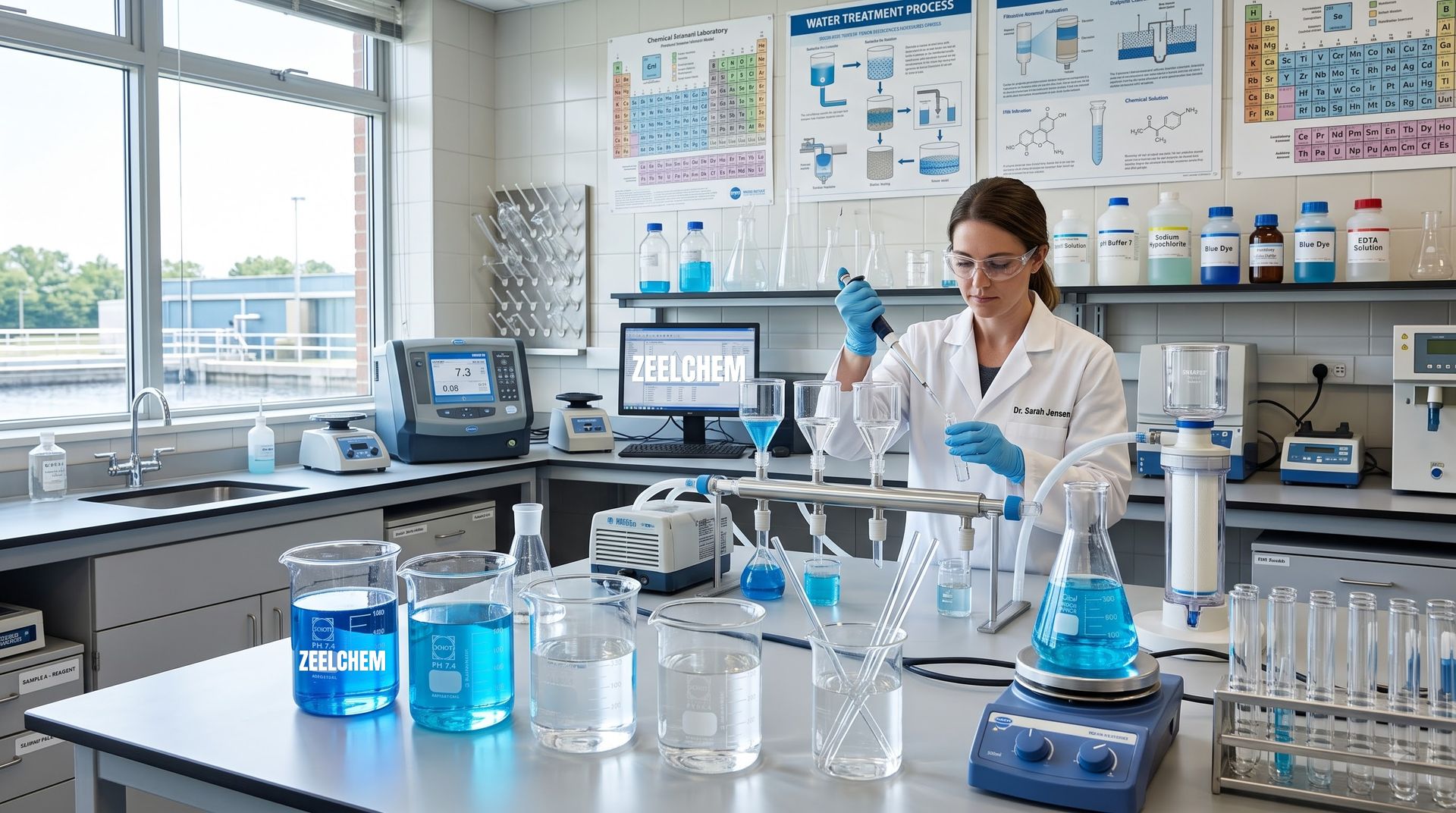
2. Flocculants (or Coagulant Aids)
Flocculants, also known as coagulant aids, play a crucial role in water treatment by helping to connect tiny micro-flocs into larger, denser flocs that can easily settle or be filtered out. Some common examples include high-molecular-weight polymers like cationic, anionic, or nonionic polyacrylamides (PAM). The doses used are usually much lower than those for primary coagulants, often ranging from just 0.1 to 2 mg/L. Their main functions are to enhance the speed and efficiency of settling and filtration, minimize residual turbidity, and assist in the dewatering of sludge.
3. Disinfectants / Oxidants
These substances are effective at killing or inactivating a range of harmful microorganisms, including bacteria, viruses, protozoa, and other pathogens. Many of them also have the ability to oxidize elements like iron, manganese, hydrogen sulfide, and certain organic compounds.
Here are some common examples: -
- Chlorine (in forms like gas, sodium hypochlorite/bleach, or calcium hypochlorite) is the most widely used disinfectant around the globe. It offers residual protection in water distribution systems and forms hypochlorous acid (HOCl).
- Chloramines (a combination of chlorine and ammonia) provide a longer-lasting residual effect and produce fewer specific by-products.
- Chlorine dioxide acts as a strong oxidant and generates fewer trihalomethanes.
- Ozone is a powerful disinfectant that doesn’t leave a residual but is excellent at oxidizing organics and enhancing taste and odor.
- Other options include hydrogen peroxide and potassium permanganate, which are particularly effective for addressing iron, manganese, or taste and odor issues.
In summary, these disinfectants serve as a crucial public health barrier and provide secondary residual disinfection throughout distribution networks.
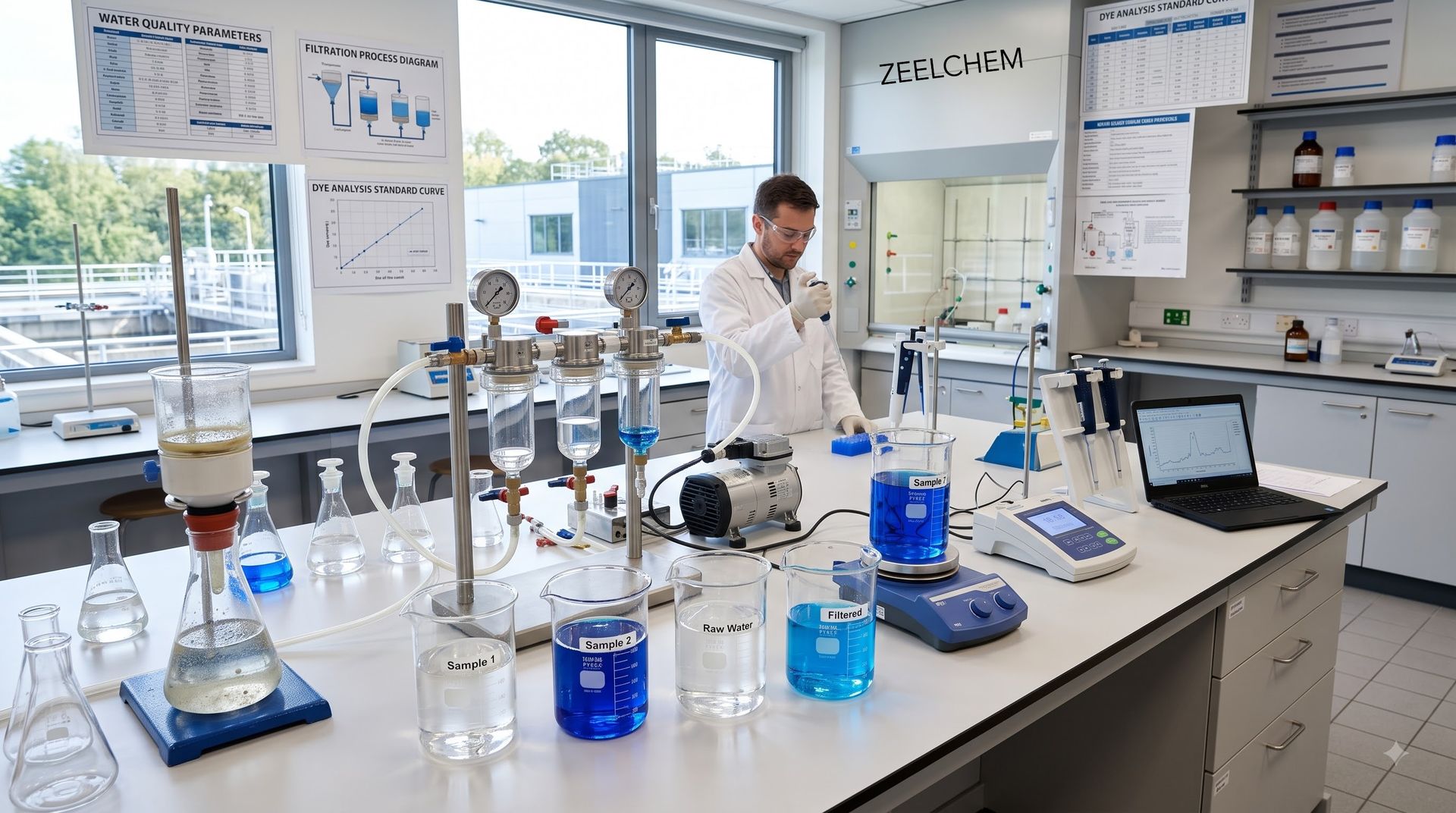
4. pH Adjusters / Alkalinity Controllers
These optimize coagulation efficiency, disinfection performance, corrosion control, and scale potential, and meet finished-water targets (typically ~6.5–8.5 for drinking water). Common examples:
- To raise pH/alkalinity: lime (calcium hydroxide), sodium hydroxide (caustic soda), soda ash (sodium carbonate), sodium bicarbonate.
- To lower pH: sulfuric acid, hydrochloric acid, carbon dioxide, sodium bisulfate.
Role: Critical process control variable; also used for corrosion control (e.g., raising pH to form protective films) or softening.
5. Corrosion and Scale Inhibitors (Common Water Treatment Chemicals and Their Roles)
These protect pipes, boilers, cooling systems, and membranes. Common examples:
- Phosphates/orthophosphates or polyphosphates — form protective films and sequester metals.
- Phosphonates (e.g., HEDP, ATMP, PBTC) and polyacrylates — threshold inhibitors that prevent crystal growth of calcium carbonate, sulfate, etc.
- Silicates, molybdates, zinc compounds, or blended programs.
Role: Prevent pipe degradation (lead/copper release), scaling that reduces heat transfer or flow, and membrane fouling.
6. Other Specialized Chemicals
- Activated carbon (powdered PAC or granular GAC) — adsorbs organic compounds, pesticides, taste/odor compounds, and some disinfection by-product precursors.
- Chelating agents / descalers (citric acid, etc.) — remove or prevent mineral deposits, especially in membrane cleaning or boilers.
- Fluoride compounds (where mandated) — for dental health.
- Oxygen scavengers (e.g., sulfite) — in boiler feedwater to prevent corrosion.
- Antiscalants specifically formulated for reverse-osmosis systems.
Typical Process Sequence in Conventional Treatment
Raw water → coagulation + rapid mix → flocculation → sedimentation/clarification → filtration → disinfection → pH/corrosion adjustment → distribution (with residual disinfectant).
Chemical selection and dosage depend on raw-water quality (turbidity, organics, pH, temperature, metals), treatment goals, regulations, sludge handling, and cost. Jar testing is standard for optimizing coagulants. Residual levels of treatment chemicals (e.g., aluminum, chlorine) are regulated to protect public health and aesthetics.
Industrial applications (cooling, boilers, wastewater) emphasize scale/corrosion inhibitors, biocides, and specialized coagulants more heavily than municipal drinking-water plants. Always follow local regulations, manufacturer guidance, and proper handling/safety protocols, as many of these chemicals are hazardous in concentrated form.