Choosing the "best" water treatment dispersant polymer really hinges on what you're using it for—whether it's cooling water, reverse osmosis membranes, boilers, oil and gas, mining, or something else entirely. Here’s a rundown of some of the most popular and effective dispersant polymers used in industrial water treatment.
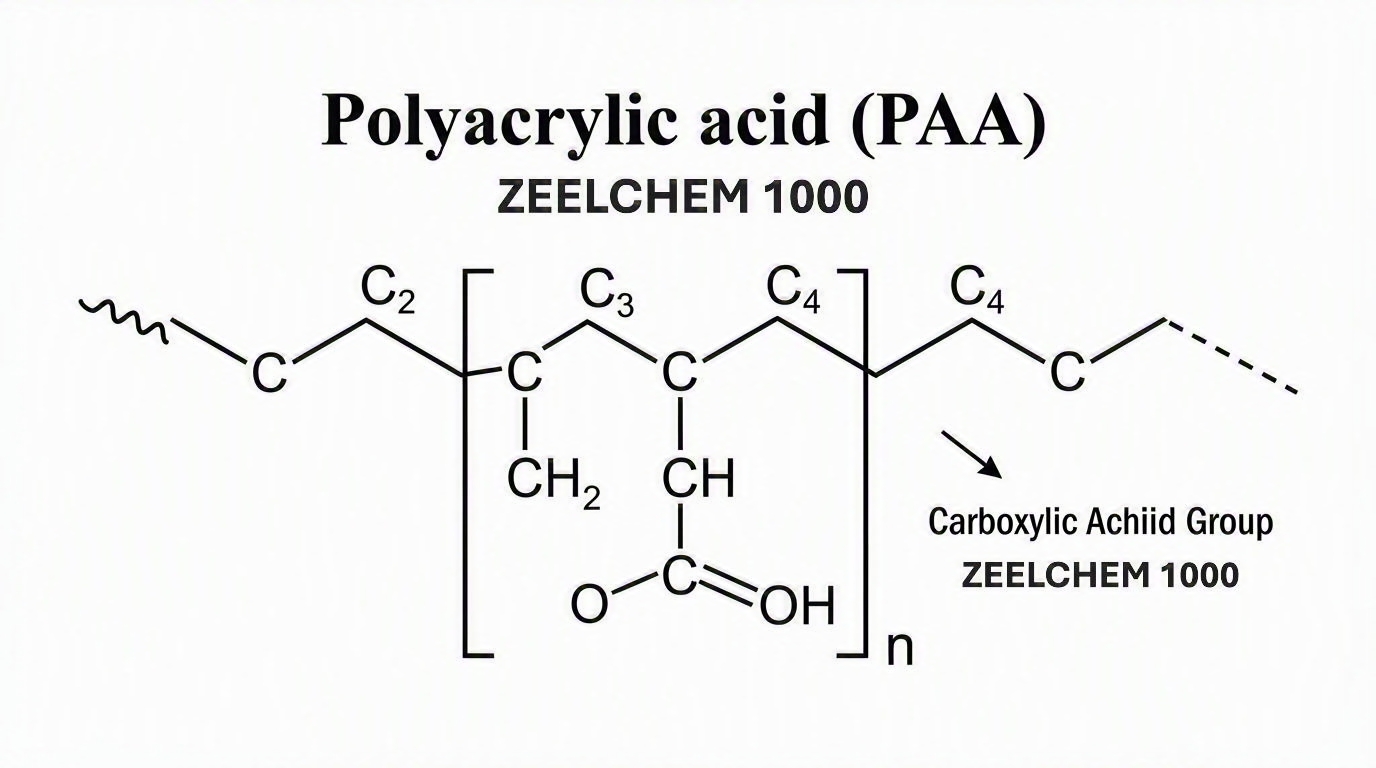
1. Polyacrylic Acid - Water Treatment Dispersant Polymer
Main Application: Cooling towers, boilers
How It Works: Polyacrylic Acid is essential for stopping scale and fouling in industrial cooling systems by ensuring that minerals stay suspended in the water. You can easily dose it directly into the systems with standard chemical metering pumps.
2. Polymaleic Acid - Water Treatment Chemicals
Main Application: Boilers, cooling systems
How It Works: Polymaleic Acid helps stop scaling and breaks down suspended particles like silt and clay in systems with high hardness and alkalinity.

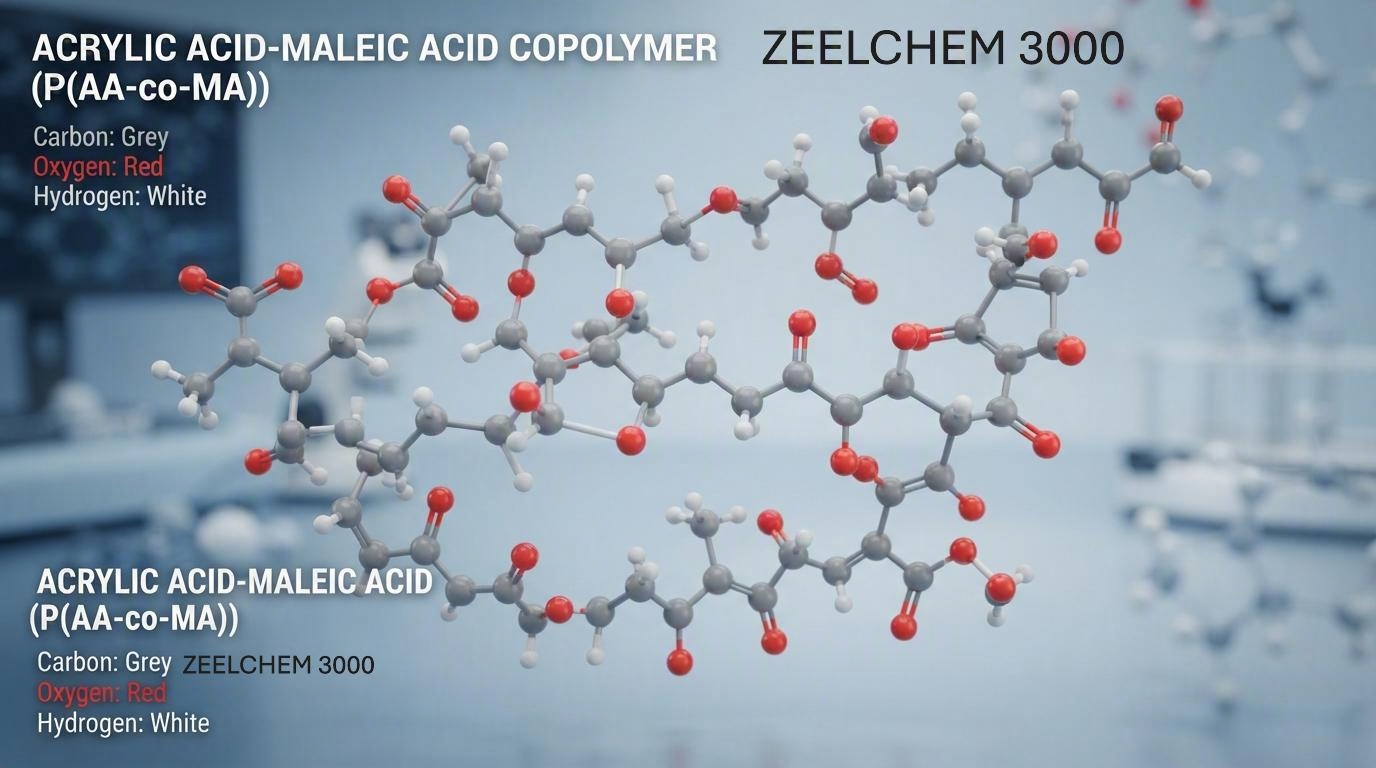
3. Acrylic Acid–Maleic Acid Copolymer (AA/MA)
Main Application: Cooling water
How It Works: Acrylic Acid–Maleic Acid Copolymer (AA/MA) stands out as a top-notch liquid antiscalant and dispersant. It’s particularly effective at managing calcium carbonate and calcium sulfate scale, can handle thermal stability up to 300°C, and is great at dispersing phosphates in high-temperature industrial settings.
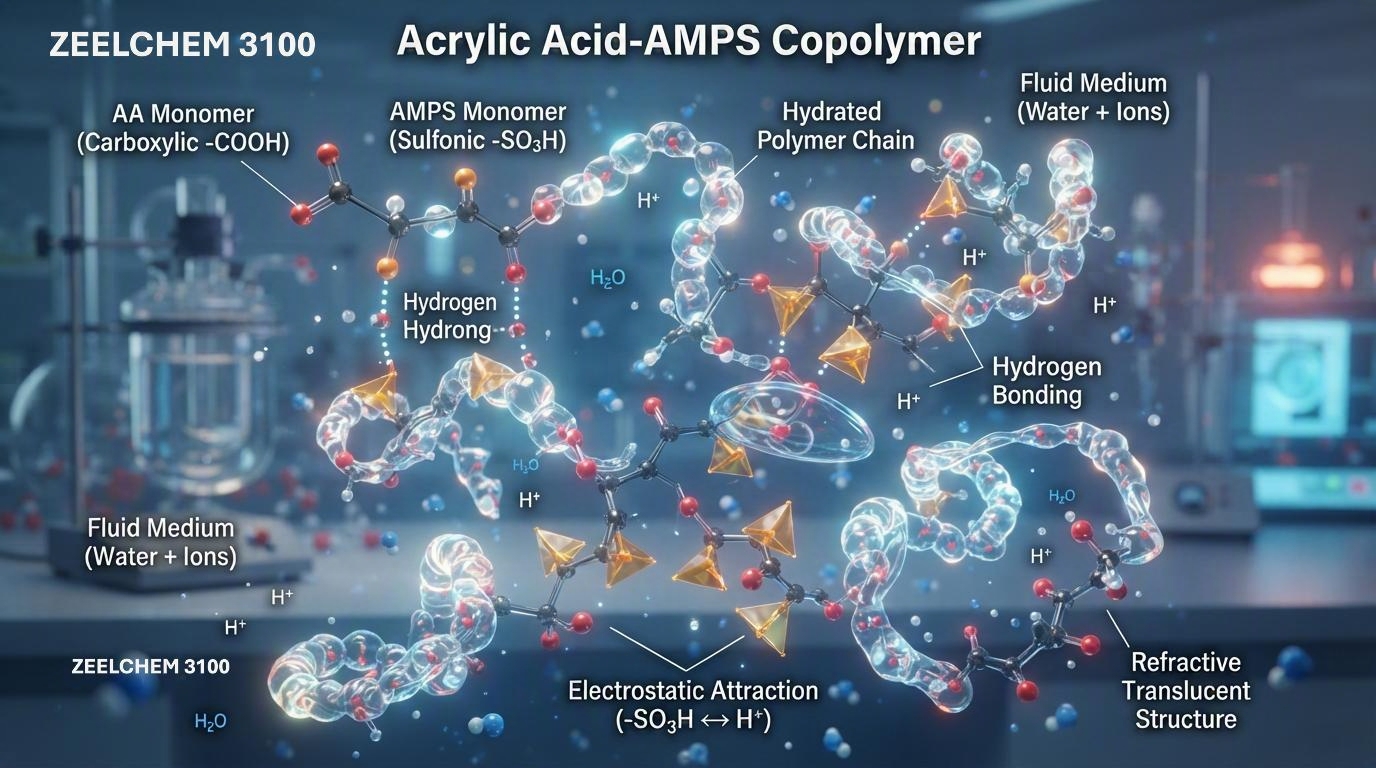
4. Acrylic Acid–AMPS Copolymer
Main Application: High-hardness water
How It Works: Acrylic Acid–AMPS (AA/AMPS) copolymer liquid is mainly known for its powerful role as a scale inhibitor and dispersant in industrial water systems. Thanks to its unique dual-action molecular structure, it employs carboxylic groups to disrupt scale formations while the sulfonic groups (AMPS) help it handle high levels of calcium. This combination effectively prevents the clumping of silt and inorganic particles, making it a go-to solution for maintaining water quality.
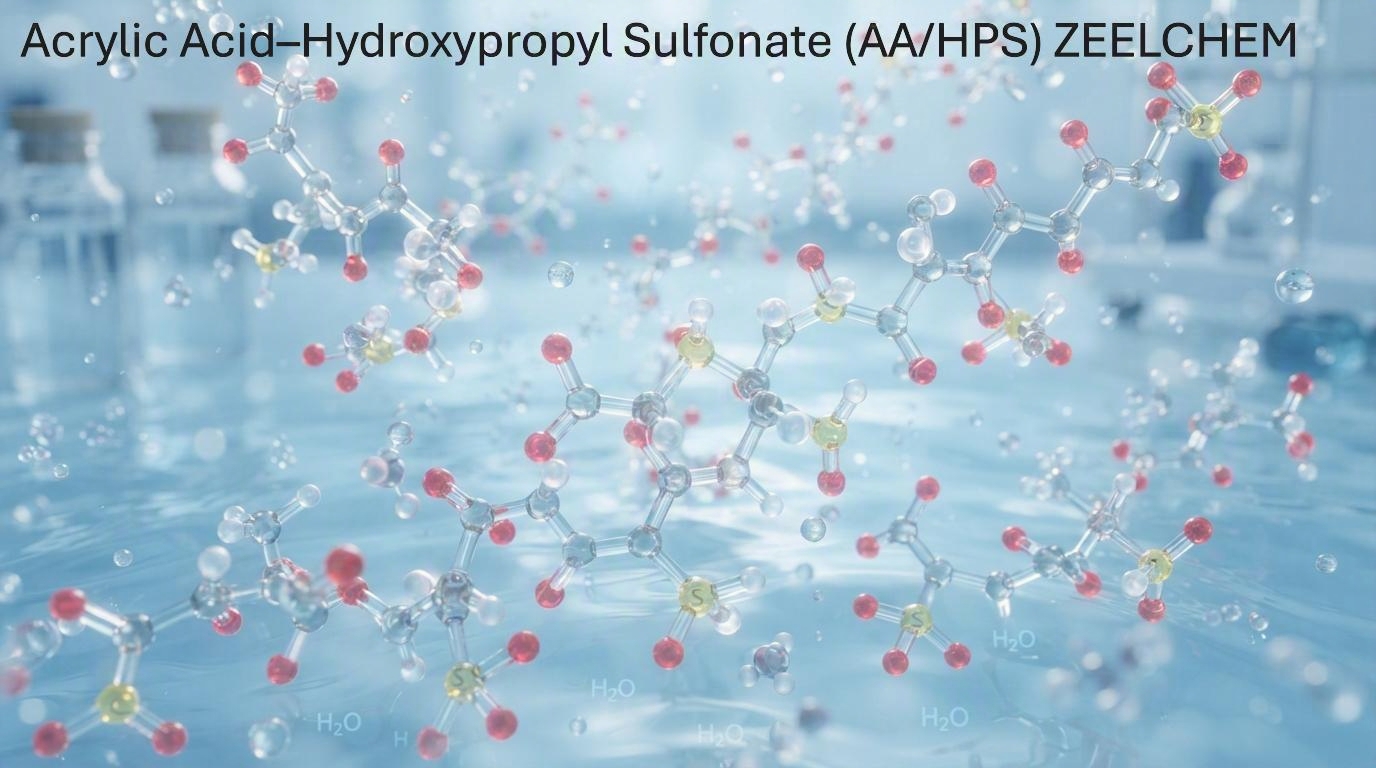
5. Acrylic Acid–Hydroxypropyl Sulfonate (AA/HPS) Copolymer
Main Application: Industrial cooling
How It Works: High thermal stability and fouling resistance
6. Polyaspartic Acid (PASP)
Main Application: Green water treatment
How It Works: Polyaspartic Acid (PASP) in liquid form is a green, biodegradable polymer that finds its place in various fields, including agricultural fertilizers, industrial water treatment, and preventing metal corrosion and scale buildup. The way it's applied can differ from one industry to another, so it’s important to use the right dilution rates and methods for each specific application.
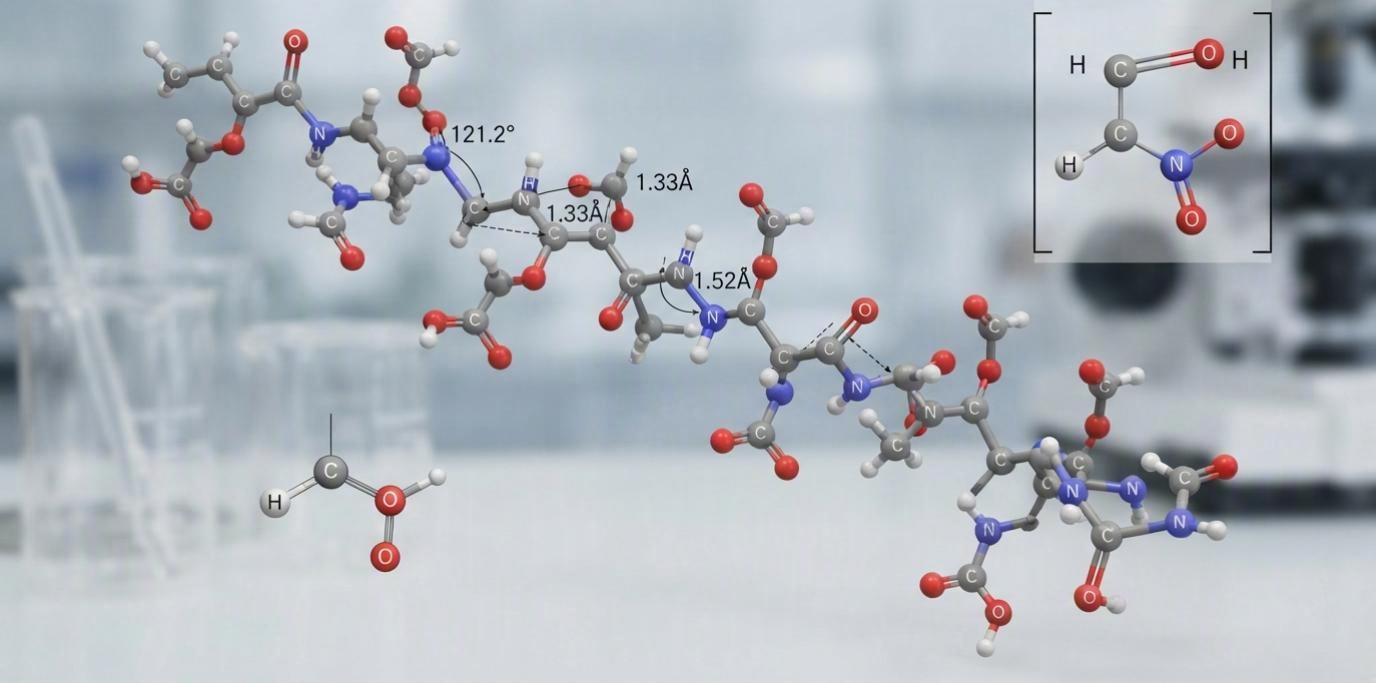
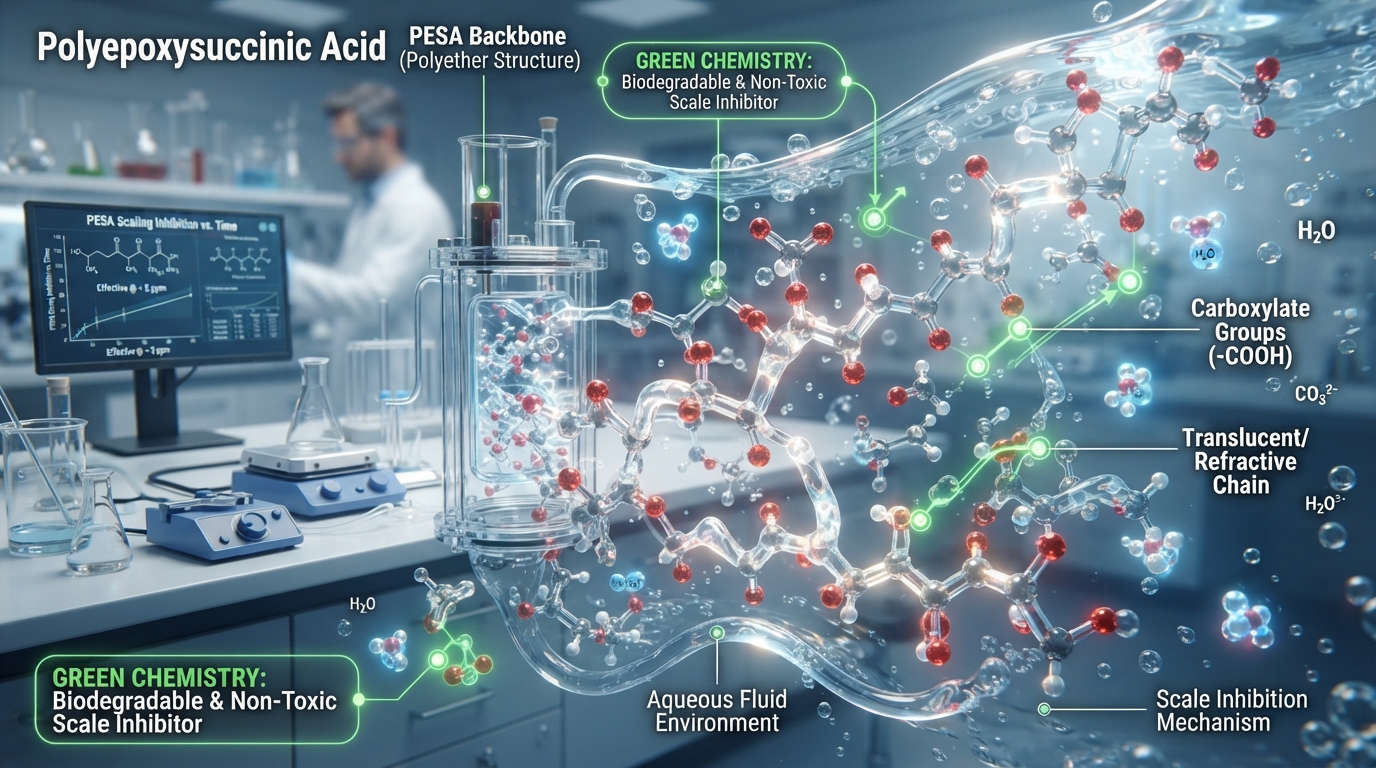
7. Polyepoxysuccinic Acid (PESA)
Main Application: Cooling towers, RO
How It Works: Polyepoxysuccinic Acid (PESA) is a liquid solution, usually found with an active concentration of 38-41%. This eco-friendly product is free from phosphorus and nitrogen, making it a great choice for inhibiting scale and corrosion. It's typically used in water systems through continuous dosing at levels ranging from 1 to 30 mg/L (ppm) to effectively combat mineral scaling and protect against metal corrosion.
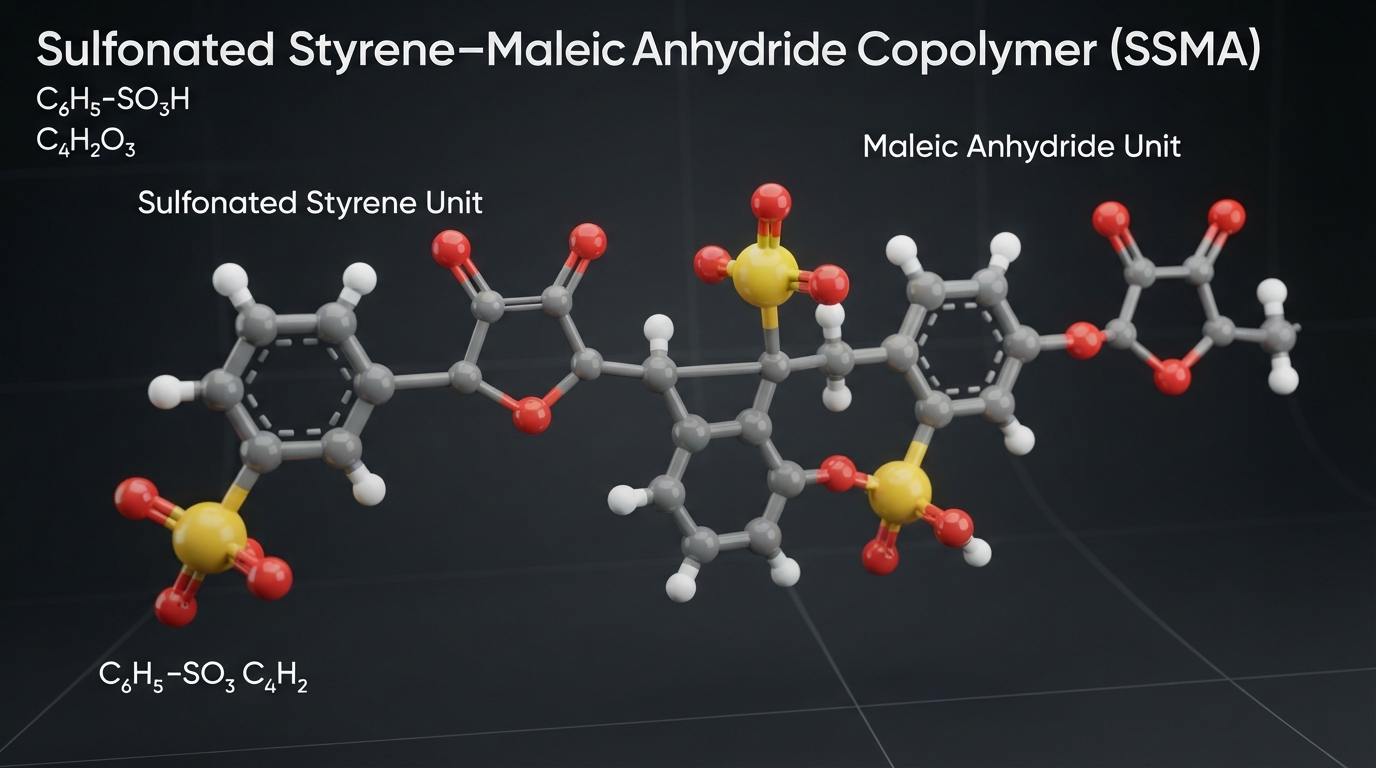
8. Sulfonated Styrene–Maleic Anhydride Copolymer (SSMA)
Main Application: High-temperature systems
How It Works: Strong iron oxide and suspended solids dispersion. Sulfonated Styrene–Maleic Anhydride Copolymer (SSMA) is a top-notch, anionic polymeric liquid that serves as a scale inhibitor and sludge dispersant in industrial water systems. It's also used as a clay deflocculant in the petroleum industry, showcasing its versatility and effectiveness.
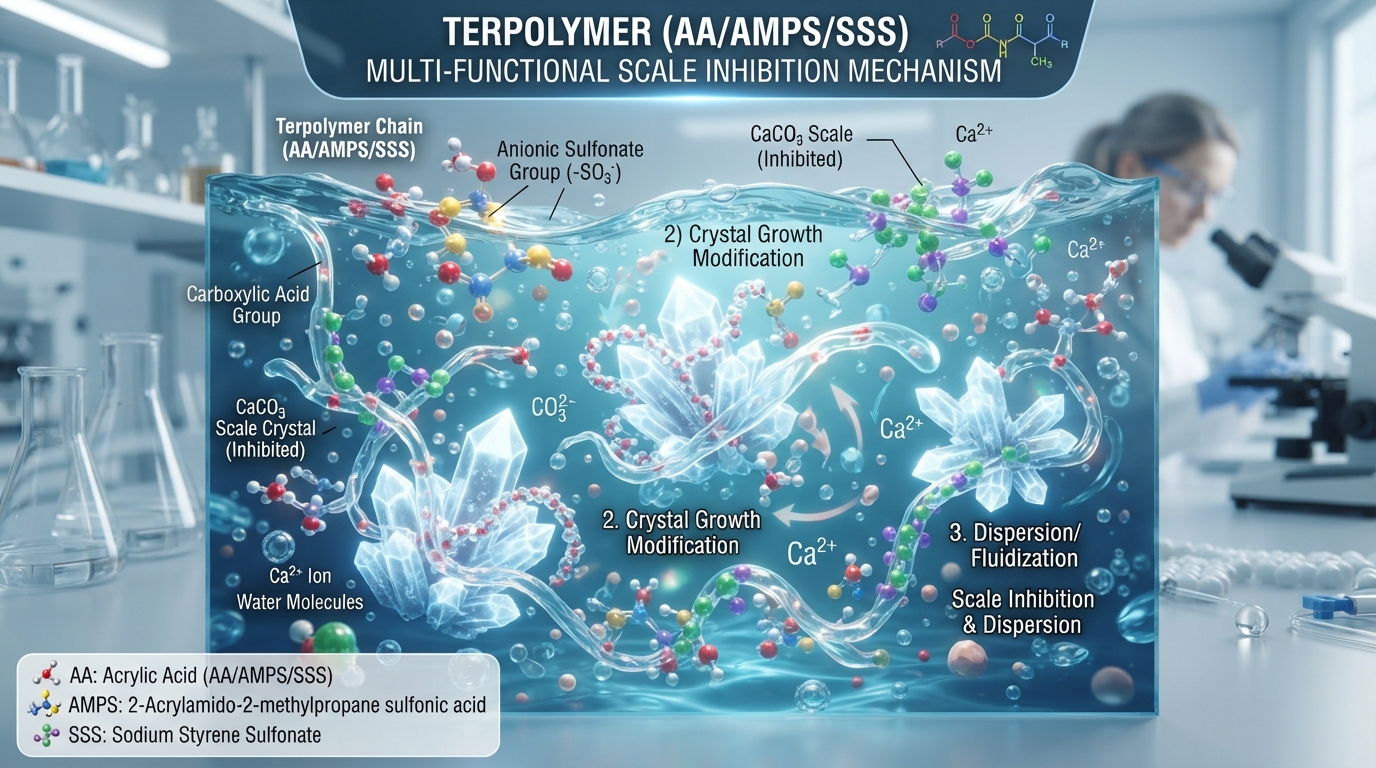
9. Terpolymer (AA/AMPS/SSS)
Main Application: Power plants, refineries
How It Works: Terpolymer (AA/AMPS/SSS) is a top-notch, water-soluble polymer that plays a crucial role as a scale inhibitor and dispersant in various industrial water systems. Thanks to its carboxylic, sulfonic, and styrene sulfonate groups, it effectively prevents mineral scaling, like calcium carbonate and calcium phosphate, while also doing a great job of dispersing iron and zinc.
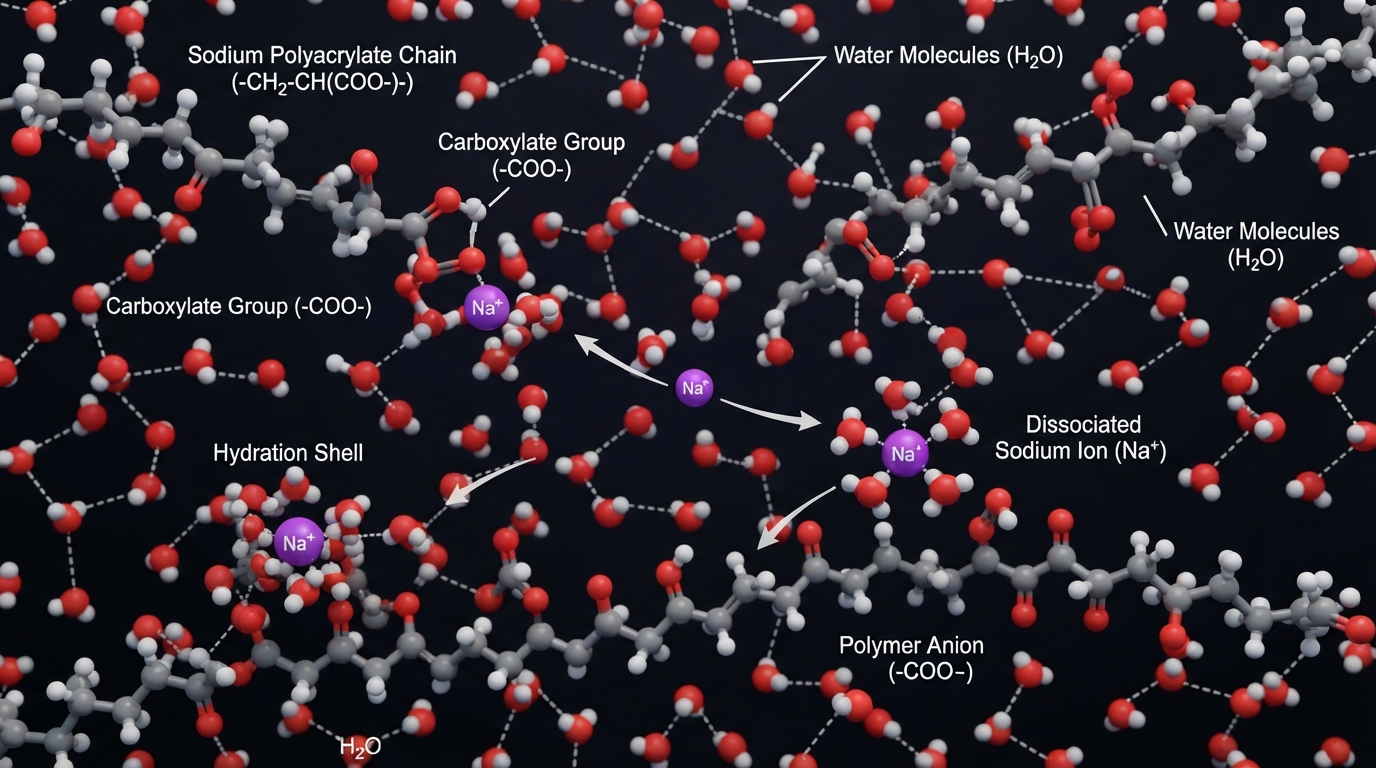
10. Sodium Polyacrylate
Main Application: General industrial water
How It Works: Sodium Polyacrylate is a Cost-effective dispersant for suspended solids
Conclusion
Water treatment is crucial for ensuring that our systems remain safe, clean, and efficient, whether they're used in industries or for public consumption. Every chemical involved has an important job, from purifying and disinfecting to stopping scale & corrosion in intricate industrial processes.
Start writing here...